
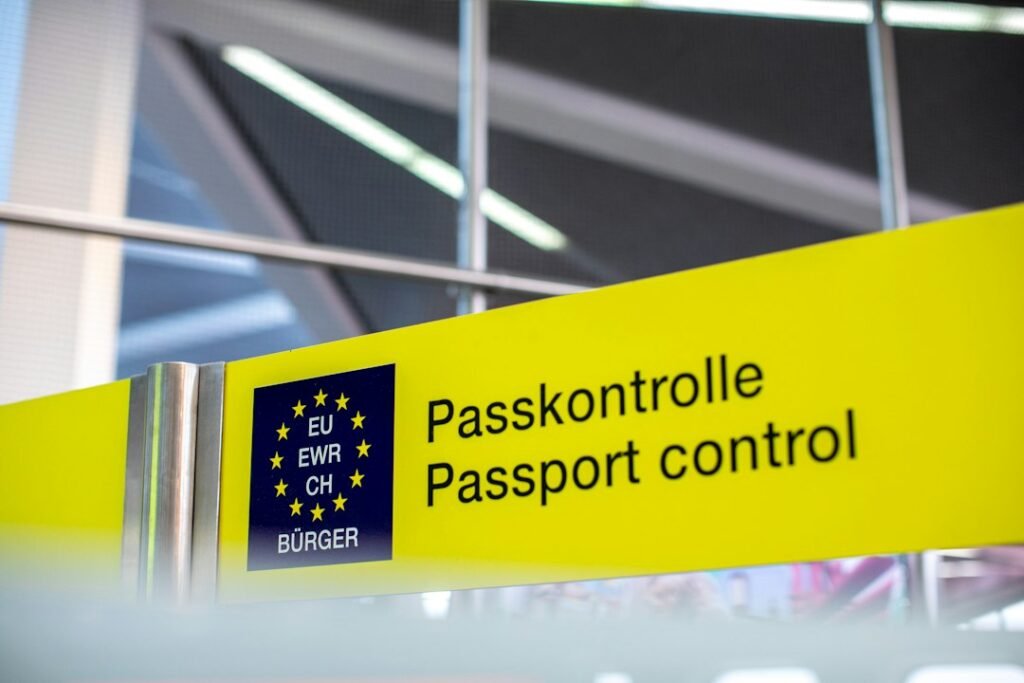
Checked 6 October 2026. ETIAS is still not accepting applications. That is the most important fact to know before you pay anyone who claims they can “apply for ETIAS now” on your behalf.
The European Union’s official ETIAS website currently says that the European Travel Information and Authorisation System is not in operation and that no travel-authorisation applications are being collected. The EU says it will announce the specific start date several months before the system goes live.
That means there is no legitimate live ETIAS application to submit today. You can learn how the system will work, check whether your nationality is expected to need it and prepare for the future requirement, but you should not be paying an unofficial website to “secure” an ETIAS authorisation that does not yet exist.
What ETIAS is — and what it is not
ETIAS will be a pre-travel authorisation for eligible travellers from visa-exempt countries going to participating European countries for short stays. It is designed to be linked electronically to the traveller’s passport.
It is not a Schengen visa. It is not a residence permit. It is not a work permit. It does not convert a person who normally needs a visa into a visa-exempt traveller.
The official EU description says a valid ETIAS travel authorisation will normally be linked to the passport and can be valid for up to three years or until the passport expires, whichever comes first. A new passport means a new travel authorisation will be needed once ETIAS is operational.
Is ETIAS open for applications now?
No.
The official EU ETIAS FAQ states that ETIAS is currently not in operation and no applications are being collected.
This is more reliable than a blog headline, travel-agent advertisement or social-media post claiming a particular start day. The EU had previously described ETIAS as expected in the last quarter of 2026, but its current traveller-facing guidance does not publish a live application date. The correct approach is therefore to follow the current official notice, not an outdated launch prediction.
Who will need ETIAS when it starts?
ETIAS is intended for certain visa-exempt non-EU nationals travelling for a short stay to the participating European countries.
The phrase “visa-exempt” matters. If your passport normally requires a Schengen visa for the journey, ETIAS is not the substitute. You would still follow the applicable visa process.
When the system launches, the official eligibility checker should be used because nationality, travel-document type and legal status can affect whether ETIAS applies.
Which countries will use ETIAS?
The official ETIAS material says the authorisation will apply to travel to 30 European countries participating in the system.
Do not assume that “EU,” “Europe” and “Schengen” are interchangeable words. The sets of countries overlap heavily but are not identical in every legal context. For a real trip, check the official country list rather than relying on a map from an old article.
How much will ETIAS cost?
The current official ETIAS portal displays a €20 application fee. Travellers should still verify the fee on the official site when applications actually open, because the live rules at the time of application are what matter.
There may be categories that are exempt from the fee even when they still need an authorisation. Do not turn the fee into a universal rule without checking the official eligibility details.
How long will ETIAS be valid?
The EU says an approved ETIAS authorisation will generally be valid for up to three years or until the associated passport expires, whichever comes first.
This is easy to misunderstand. ETIAS validity does not mean you can remain in Europe continuously for three years. The underlying short-stay limits still matter. For most ordinary short visits in the Schengen context, the familiar ceiling remains up to 90 days in any 180-day period where that rule applies.
It also does not guarantee admission. Border authorities can still check whether you meet the entry conditions on the actual day you travel.
ETIAS and EES are different
ETIAS is being confused with the Entry/Exit System because both are part of Europe’s border digitalisation.
The difference is practical:
| ETIAS | EES | |
|---|---|---|
| Purpose | Pre-travel authorisation for eligible visa-exempt travellers | Records certain non-EU short-stay border crossings |
| Status on 6 October 2026 | Not operating | Fully operational |
| Where action happens | Online before travel once launched | At the external border |
| Passport connection | Authorisation linked to passport | Travel document details used in border record |
| Biometric border process | Not the EES fingerprint process | Can include facial image and fingerprints |
Read StepOut’s EES 2026 guide for the border process that is already in use.
Why fake or premature ETIAS websites are a real problem
ETIAS creates an obvious opportunity for misleading websites because many travellers know a new requirement is coming but do not know whether it has started.
A page can look official without being official. It may use EU-style colours, flags, formal wording and a domain name containing “ETIAS.” None of that proves it is the EU application portal.
Before entering passport details or card information, ask three questions:
- Does the official EU website say applications are open?
- Is the site you are using the official EU application route or an explicitly identified third-party service?
- Are you being charged for a product that can actually be issued today?
As of this check, the answer to the first question is no. That alone is enough reason not to submit a supposed live application.
What information will travellers need?
The precise live form should be followed once the system opens. The official EU material indicates that the authorisation will be tied to the traveller’s passport and will use identity and travel-related information.
The safest preparation now is simply to keep your travel document valid and avoid entering sensitive information into unofficial forms. There is no benefit in “pre-applying” with a website that cannot submit anything to the real system.
What happens if your passport expires?
Because ETIAS will be linked to the passport used for the application, a new passport changes the identity document connected to the authorisation.
The official EU explanation is straightforward: if you get a new passport, you will need a new ETIAS travel authorisation once the system is operating.
This matters for travellers who are planning to renew soon. If ETIAS launches and your passport has very little validity left, consider the practical sequence before paying for an authorisation that may become unusable when the passport is replaced.
Will ETIAS guarantee entry?
No.
A travel authorisation is permission to travel under that system, not an unconditional right to cross the border. The official EU material explicitly notes that a valid ETIAS does not guarantee entry.
Border officers can still ask for information relevant to the trip. Depending on the journey, that can include accommodation, sufficient funds, onward or return travel and evidence explaining the purpose of the visit.
This is one reason StepOut’s travel-planning tools focus on consistency rather than promising approval. The Travel Evidence & Visa Date Consistency Checker helps compare trip dates, accommodation coverage, flight-itinerary status and other planning details without pretending to predict a border or visa decision.
Do Schengen visa holders need ETIAS?
ETIAS is designed for eligible visa-exempt travellers. If you are travelling on a short-stay Schengen visa because your nationality requires one, you should not assume that ETIAS becomes an extra visa on top of it.
Use the official eligibility checker once ETIAS is live. Immigration status can be nuanced, particularly for residence-permit holders and family members with rights under EU law.
Do UK citizens need ETIAS?
UK citizens are among the large groups of visa-exempt travellers who are expected to fall within the ETIAS framework for relevant short trips once it starts, subject to the official eligibility rules in force at launch.
That does not mean UK travellers can apply today. The application system is not open.
Do US, Canadian or Australian citizens need it?
Many travellers from visa-exempt countries such as the United States, Canada and Australia are expected to need ETIAS for covered short trips once the requirement becomes operational.
Again, eligibility should be checked against the official system at launch rather than treating a general nationality list as permanent. Travel-document type and status can matter.
What should you do if you are travelling to Europe soon?
If your trip is before ETIAS starts, do not buy an ETIAS application from an unofficial provider.
Instead:
- check whether your nationality currently needs a Schengen visa;
- make sure your passport meets the destination’s validity rules;
- understand that EES is already operational at relevant external borders;
- keep accommodation and onward-travel details accessible;
- check temporary border controls if travelling between several Schengen countries; and
- recheck the official ETIAS page shortly before departure.
If you are building a multi-country route, use the Schengen Trip Nights & Main-Destination Planner before finalising bookings.
What if a website says “ETIAS approved in minutes”?
At the moment, that claim should be an immediate warning sign because the official application system is not live.
Once ETIAS starts, the EU expects many applications to be processed quickly, but that future operating model should not be confused with a service that claims to issue an authorisation now.
Do not send passport scans, card details or personal information simply because a site ranks highly in search results. Ranking is not proof of official status.
How to recognise the official source
Start at the EU’s official Travel to Europe ETIAS portal. The current notice appears prominently there.
You can also use the European Commission’s ETIAS policy page for background.
If a third-party website contradicts the EU about whether applications are open, follow the EU.
ETIAS does not replace good trip planning
When ETIAS eventually becomes another item on the pre-travel checklist, it will be tempting to treat the authorisation as the only new thing that matters. That would be a mistake.
A traveller still needs a workable route, realistic connection times, correct passport details and the documents relevant to the stay. ETIAS will sit on top of those practical requirements; it will not fix a missed connection, a hotel booked for the wrong dates or an itinerary that cannot be explained.
A simple ETIAS readiness checklist
- Check the official EU site to see whether applications have actually opened.
- Confirm that your nationality and travel document are within the ETIAS requirement.
- Use only the official application route when the system launches, unless you knowingly choose an identified third-party intermediary.
- Check your passport expiry before applying.
- Remember that an authorisation will not extend the short-stay limit.
- Keep ordinary entry evidence available for the border.
- Do not confuse ETIAS with EES biometric registration.
What should travel businesses and frequent travellers do now?
Do not build a travel deadline around an unofficial ETIAS date. Airlines, travel agents, visa-support businesses and frequent travellers should use the official EU status as the source of truth and update customer-facing information when the EU publishes a confirmed launch timetable.
If you manage several upcoming Europe trips, add an ETIAS check to your pre-departure routine rather than buying anything today. Recheck the official portal when you book, again before paying for non-refundable travel, and again shortly before departure. This is especially useful for journeys many months ahead because a requirement can change between booking and travel.
Parents should also avoid assuming that a child follows exactly the same fee or application treatment as an adult. The live system’s official eligibility and fee rules should be checked for each traveller individually.
If ETIAS launches after you book but before you travel
What matters is the requirement in force when you travel, not when you bought the ticket. If the EU activates ETIAS between your booking date and departure, a traveller who falls within the requirement may need to obtain authorisation before boarding.
That is another reason to use an email/calendar reminder and official sources rather than treating an old travel blog as permanent guidance. A ticket purchased before launch would not logically exempt a traveller from a later entry requirement unless the official transition rules say so.
Current position
As of 6 October 2026, the professional answer is short: ETIAS is not open.
Prepare, but do not pre-pay. Watch the official EU portal, ignore invented “launch today” claims, and only apply once the European Union announces that the real system is accepting applications.