Environmental Science and Sustainability are growing study areas across Europe, but the programmes can differ greatly. Some are laboratory and science-heavy, some focus on environmental engineering, and others centre on policy, climate, energy or sustainable development.
This guide explains how to compare affordable programmes without treating all “green” degrees as equivalent.
For country-level tuition and living costs, use StepOutTravel’s Affordable Universities in Europe pillar.
Environmental Science, Environmental Engineering and Sustainability are different
Environmental Science usually combines ecology, chemistry, earth science and environmental assessment. Environmental Engineering focuses more on technical systems such as water, waste, pollution control and energy. Sustainability programmes can be broader and may include policy, economics, business or governance.
Romania: current English-taught sustainability master’s options are highly competitive
Romania’s official Study in Romania database currently lists an English-taught Environmental Studies and Sustainable Development master’s in Bucharest at €1,980 per year for non-EU students over two years.
It also lists an English-taught Sustainable Development and Environmental Management master’s in Cluj-Napoca at €3,000 per year for non-EU students over two years.
Another English-taught Environmental Management and Sustainable Energy master’s in Iași is currently listed at €2,430 per year for non-EU students.
These examples show why Romania deserves serious screening for English-taught sustainability study.
Use the Romania guide.
Bachelor’s options can be more local-language dependent
Romania’s official database also lists Environmental Science bachelor’s programmes taught in Romanian. Across Europe, English-taught environmental options are often broader at master’s level than at bachelor’s level.
Policy-focused sustainability degrees can sit outside science faculties
Some programmes are housed in political science, public administration or business faculties. They may focus on climate policy, environmental governance, ESG, energy transition or sustainable development rather than laboratory science.
Science-heavy environmental degrees need laboratory and field skills
Look for ecology, chemistry, GIS, sampling, environmental assessment and data analysis if you want a technical environmental-science career.
Environmental engineering needs mathematics and technical preparation
Engineering-style programmes can require stronger mathematics, physics or chemistry than policy-focused sustainability programmes.
Climate and energy programmes can be interdisciplinary
Current Romanian examples combine climate science, environmental economics, law, sustainability, energy and public policy. This can suit students targeting government, ESG, consulting or climate-policy careers.
Fieldwork can create extra costs
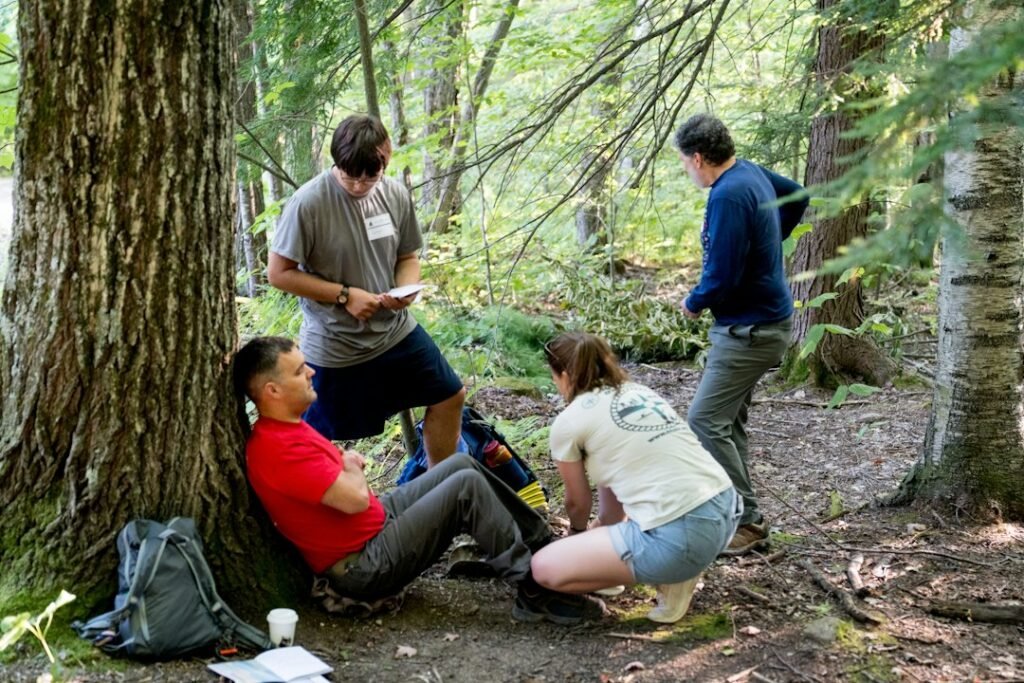
Environmental programmes may include sampling trips, field courses, site visits or travel to natural areas. Ask whether transport and accommodation are included.
GIS and data software
Geographic Information Systems are common in environmental study. Universities may provide ArcGIS or other licences, while open-source tools such as QGIS can reduce software costs.
Laboratory equipment is usually institution-provided
Students should not normally need to buy major scientific equipment, but protective clothing, notebooks or small field tools may be required.
English availability is strong at postgraduate level
Environmental and sustainability master’s programmes are frequently designed for international cohorts, making English-taught study easier to find than in some traditional bachelor’s fields.
Use StepOutTravel’s Affordable Master’s Degrees in Europe guide.
Career paths are broad
Graduates can work in environmental consulting, sustainability, ESG, climate policy, environmental assessment, NGOs, government, energy, water, waste, natural-resource management or research.
ESG programmes should still have academic depth
ESG is commercially popular, but a strong sustainability degree should teach environmental systems, policy, measurement or analytics rather than rely on fashionable terminology.
Natural-resource management is another route
Forestry, water management, biodiversity and land-use programmes can overlap with environmental science but may prepare for more specialised roles.
Renewable energy is related but more technical
Energy-transition programmes can range from engineering-heavy renewable-energy degrees to policy and economics programmes. Compare prerequisites carefully.
Programme duration changes total cost
A two-year master’s at €2,000 per year can still cost more overall than a one-year €4,000 programme in a similar-cost city. Add living months to the comparison.
City choice remains important
Bucharest, Cluj-Napoca and Iași have different housing markets. A moderate tuition fee should always be paired with a city-level accommodation plan.
Use the Affordable Student Cities in Europe guide.
Scholarships
Environmental and sustainability students may find university scholarships, Erasmus+ opportunities and climate-related funding. Do not count funding until formally awarded.
Internships can strengthen the programme
Look for placements with environmental agencies, consultancies, NGOs, laboratories or industry. Ask whether international students can complete them in English.
Research master’s versus professional master’s
A research-heavy programme may be better for doctoral study, while a professional programme may focus more on policy, consulting or industry skills. Compare the programme design with your goal.
How to compare environmental programmes
- Choose science, engineering, policy or sustainability route.
- Confirm teaching language.
- Check technical prerequisites.
- Record tuition for your status.
- Check programme duration.
- Check fieldwork and laboratory structure.
- Research city housing.
- Check internships.
- Add visa and insurance costs.
- Calculate total programme cost.
Proof of funds and first-year planning
Keep visa funding separate from tuition and add housing deposits, fieldwork and arrival costs.
Use the Proof of Funds Guide and Study Abroad Budget Guide.
Official sources
For the current Romanian examples quoted here, use the official records for Environmental Studies and Sustainable Development in Bucharest, Sustainable Development and Environmental Management in Cluj-Napoca and Environmental Management and Sustainable Energy in Iași. For other countries, use the national study portal and the university’s own programme page for final curriculum and tuition verification.
Environmental science careers can be technical or policy-oriented
Environmental consultants may need sampling, GIS, impact assessment and regulatory knowledge. Sustainability-policy professionals may need economics, governance and climate-policy skills. Energy and industrial sustainability roles can require engineering or quantitative preparation.
Choose the programme from the career backwards
If you want environmental consulting, look for impact assessment, GIS, ecology and field methods. If you want ESG or corporate sustainability, compare reporting, economics, regulation and data. If you want water or waste engineering, choose a technical engineering programme rather than a general sustainability degree.
Environmental impact assessment is a valuable applied skill
Programmes that teach environmental impact assessment, risk assessment and regulatory processes can prepare students for consulting and public-sector work. Check whether the degree includes real case studies or only general sustainability theory.
GIS skills can improve employability
Geographic Information Systems are widely used in environmental planning, biodiversity, water, climate adaptation and land management. A programme with practical GIS can offer stronger technical value.
Data analysis increasingly matters in sustainability
Environmental work uses monitoring data, emissions inventories, climate indicators and spatial datasets. Look for statistics, programming, modelling or data-analysis modules if you want a technical career.
Laboratory versus policy programmes have different costs
Laboratory-heavy programmes can involve protective equipment and fieldwork, while policy programmes may have lower direct academic expenses but more internships or travel. Compare the structure, not just tuition.
Field-course location matters
Environmental science often involves forests, rivers, industrial sites, protected areas or field stations outside the city. Ask how transport and accommodation are handled for compulsory fieldwork.
Climate-policy programmes can suit non-science graduates
Programmes focused on governance, public policy and sustainability can be accessible to students from political science, economics, law or business backgrounds. This is different from environmental engineering, which may require technical prerequisites.
Circular economy is another useful specialisation
Waste reduction, resource efficiency and circular production systems are increasingly important across European industry. Check whether the programme teaches practical life-cycle or resource-management methods rather than only general concepts.
Energy-transition degrees can require stronger mathematics
Sustainable energy can mean policy, economics or engineering. Read the module list carefully so you do not enter a technically demanding programme without the required preparation.
ESG and corporate sustainability should be evidence-based
Corporate sustainability roles increasingly involve reporting standards, emissions accounting and regulatory compliance. Programmes should teach measurement and policy, not only strategy language.
Internships can be in government, NGOs or industry
The best placement depends on the career target. An environmental regulator, consultancy, energy company, municipality or NGO can each provide different experience.
English-taught sustainability is often strongest at master’s level
This is useful for students who completed a bachelor’s in engineering, science, economics, business or public policy and want a more specialised environmental route.
One-year versus two-year sustainability master’s
A shorter degree can reduce total living cost, but a two-year programme may offer more fieldwork, research or placement time. Compare total cost and academic depth together.
Public universities can provide strong value
Environmental programmes often sit inside public science, engineering or policy faculties. Compare public options first before paying premium tuition for private sustainability branding.
Use StepOutTravel’s Low-Tuition Public Universities in Europe guide.
Scholarship themes can favour climate and sustainability
Some public and European funding programmes prioritise energy transition, climate action or sustainable development. Eligibility still depends on nationality, institution and study level, so funding should remain a separate scenario until confirmed.
Housing can outweigh low tuition
A €2,000 annual programme in a high-rent capital can cost more overall than a €3,500 programme in a lower-cost regional city. Use city-level evidence.
Professional recognition is usually less rigid than architecture or nursing
Environmental careers are generally not governed by one EU-wide protected professional route in the same way as nursing or architecture. Employers usually focus more on degree relevance, technical skills and experience.
Research master’s can lead toward PhD study
If doctoral research interests you, compare thesis size, laboratory access, faculty research groups and methods training rather than choosing only the lowest tuition.
Before accepting an environmental programme
Confirm whether it is science, engineering, policy or management oriented, then verify teaching language, fieldwork, tuition, duration and internship structure.
Build a full environmental-study budget
Include tuition, housing, field trips, laboratory or GIS costs, insurance, visa fees and the entire programme duration. Use StepOutTravel’s University Offer Comparison Guide when choosing between actual offers.
Environmental accreditation may matter in technical roles
Although there is no single EU-wide environmental licence, some engineering or specialist roles may value accredited engineering education or national professional membership. Check the expectations for the career you want.
Life-cycle assessment can be a valuable technical skill
Programmes that teach life-cycle assessment, carbon accounting and environmental-footprint methods can prepare students for consulting, industry and sustainability reporting roles.
Biodiversity and conservation routes need different field training
Students interested in conservation should look for ecology, species identification, field surveys and biodiversity monitoring rather than a broad sustainability-management curriculum.
Water and waste programmes can be highly applied
Environmental engineering programmes may include wastewater treatment, solid-waste systems, pollution control and remediation. These routes usually require stronger technical foundations than policy degrees.
Climate adaptation is different from climate mitigation
Adaptation focuses on resilience to heat, flooding, drought and other impacts, while mitigation focuses on reducing emissions. Strong climate programmes should make the distinction clear.
Carbon-management skills should include measurement
Students considering corporate sustainability should look for greenhouse-gas accounting, data quality, reporting standards and reduction planning rather than broad ESG terminology alone.
Fieldwork timing can affect part-time work
Multi-day field courses and laboratory blocks can make regular employment difficult during parts of the semester. Build the baseline budget without depending on fixed weekly work hours.
Environmental master’s can be a conversion route
Some sustainability and policy programmes accept graduates from business, politics or social sciences, while technical environmental engineering programmes may not. Confirm whether your prior degree satisfies prerequisites.
When comparing two environmental programmes
Compare scientific depth, quantitative skills, fieldwork, internship access, city cost and programme duration. The stronger programme is the one whose curriculum fits the environmental work you actually want to do.
Environmental programmes should teach regulation as well as science
Consulting and corporate roles often require understanding permits, compliance and environmental law. A programme that combines technical evidence with regulatory context can be more useful than one focused only on theory.
Check whether sustainability metrics are taught practically
Carbon inventories, life-cycle indicators, energy data and environmental KPIs should be handled with real datasets where possible. Practical measurement skills make the degree more employable.
Field safety and insurance can matter
Field courses may involve remote areas, industrial sites or laboratories. Ask whether protective equipment, insurance and transport are provided by the university.
When comparing two sustainability master’s
Look at methods, quantitative content, fieldwork, internships, thesis supervision and total cost. A slightly higher tuition can be better value if the programme provides substantially stronger technical training.
Final decision
An affordable environmental or sustainability degree should match the kind of work you want to do. Compare scientific depth, policy content, fieldwork, programme duration, city costs and tuition together rather than choosing from the sustainability label alone.