Geography is broader than many applicants expect. It can combine climate, cities, migration, tourism, GIS, mapping, development, environmental change and spatial analysis. Because of that breadth, two Geography degrees can lead toward very different careers.
This guide focuses on tuition, English-taught availability, GIS and fieldwork, programme structure, city costs and career fit.
For country-level tuition and living costs, use StepOutTravel’s Affordable Universities in Europe pillar.
Human Geography and Physical Geography are different
Human Geography studies people, cities, migration, economies, development and social change. Physical Geography focuses more on climate, landforms, ecosystems, hydrology and environmental systems.
Many programmes combine both before allowing later specialisation.
GIS can make Geography highly technical
Geographic Information Systems use spatial data, mapping and analysis. GIS skills are valuable in urban planning, environment, transport, logistics, public policy, utilities and disaster management.
Remote sensing adds another technical layer
Satellite and aerial data can be used for land use, agriculture, climate, forestry and urban analysis. Programmes with GIS and remote sensing can offer strong technical employability.
Romania offers practical Geography and Tourism routes
Romania’s official Study in Romania database includes Geography-related programmes and English-taught Geography of Tourism options. These show that public-university Geography can be available at moderate tuition, but teaching language varies significantly by specialisation.
Use the Romania guide.
Geography of Tourism is a specialised pathway
Tourism Geography combines spatial analysis, destination development, culture, environment and planning. Students interested mainly in hotels and hospitality operations should compare StepOutTravel’s Hospitality and Tourism Degrees in Europe.
Environmental Geography can overlap with Sustainability
Climate adaptation, land use, water, hazards and environmental management connect Geography with environmental science.
Use the Environmental Science and Sustainability guide for more science- and policy-focused routes.
Urban Geography can lead toward planning and policy
Students interested in cities should look for urban systems, transport, housing, spatial planning and GIS. Geography can provide a strong analytical foundation for urban-policy work.
Economic Geography links place and business
Trade, regional development, industries, labour and globalisation are central topics. This can support careers in regional policy, development agencies and economic analysis.
Development Geography can support NGO careers
Programmes may examine inequality, migration, rural development, global development and humanitarian issues. Research and field methods are important for this pathway.
Climate Geography can be quantitative
Climatology, hydrology and environmental modelling can require stronger mathematics and statistics than some students expect. Compare prerequisites carefully.
Fieldwork is a major Geography strength
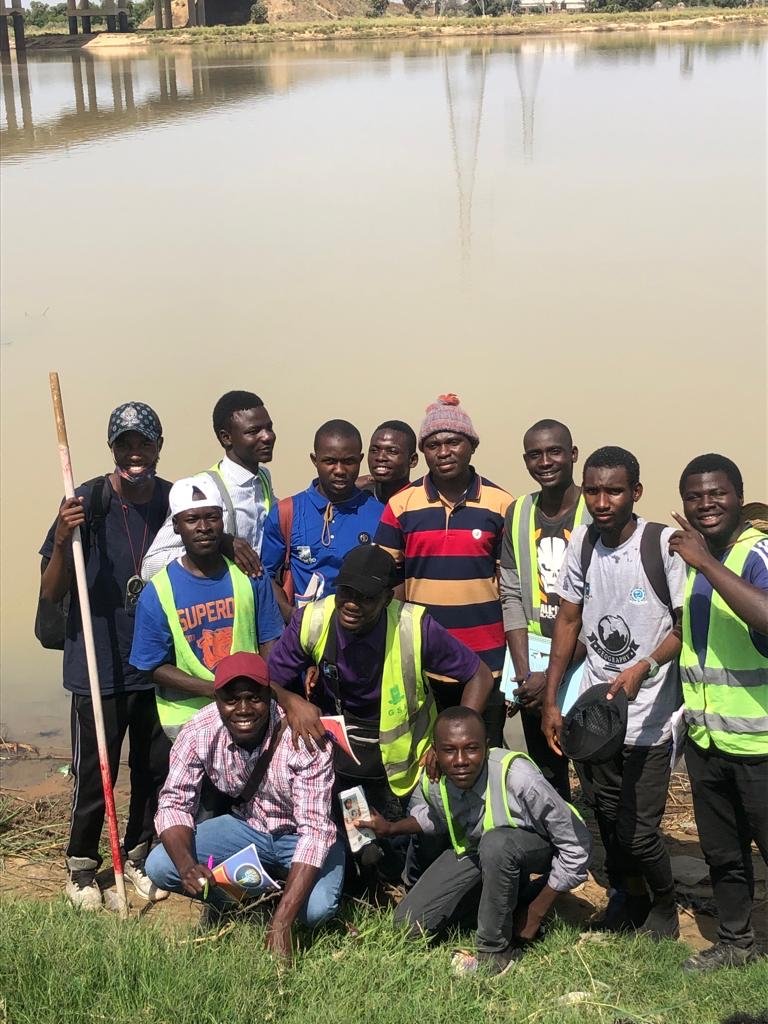
Strong Geography programmes should move beyond classrooms into field observation, mapping, data collection or site-based research. Ask whether field trips are compulsory and who pays travel and accommodation.
Fieldwork costs can vary widely
Local trips may be inexpensive, while residential field courses in another region or country can add significant costs. Check the programme handbook before accepting.
GIS software can be expensive commercially
Universities may provide ArcGIS or other proprietary tools, while QGIS and other open-source systems can reduce personal software costs. Confirm whether student licences are included.
Programming can strengthen GIS careers
Python, R and database skills can make Geography graduates more competitive in spatial analysis and data roles. Look for programmes that teach more than point-and-click mapping.
Statistics matter in modern Geography
Spatial data analysis, surveys and environmental measurements all rely on statistics. Programmes with quantitative methods can provide broader career flexibility.
Cartography and visual communication still matter
Maps are analytical products, not decorations. Students should learn design, projection, scale, uncertainty and ethical representation alongside software.
Remote sensing facilities can add value
Access to satellite datasets, imagery labs and geospatial research groups can strengthen environmental, planning and disaster-management pathways.
Geography is generally not a tightly regulated profession
Unlike Nursing or Architecture, most Geography careers do not require one protected professional qualification. Employers focus more on skills, methods and experience.
Professional GIS certifications are optional
Certificates can support career development, but a strong degree with practical GIS projects can be sufficient for many entry-level roles.
Internships can be highly varied
Geography students may work with municipalities, planning agencies, environmental consultancies, tourism boards, logistics companies, NGOs or mapping organisations.
The right internship depends on the specialisation
An environmental placement will not provide the same experience as an urban-planning or tourism internship. Compare recent placement partners with your intended career.
English-taught Geography can be less common at bachelor’s level
Students may find broader English choice at master’s level in GIS, urban studies, environmental management or development.
Use StepOutTravel’s Affordable Master’s Degrees in Europe guide.
Public universities often provide strong Geography value
Because Geography is a traditional public-university discipline, students can often access laboratories, GIS facilities and field courses without private-school tuition.
City location can affect practical learning
An urban university can provide rich planning case studies, while a regional university may offer stronger access to natural landscapes or lower housing costs. Neither is automatically better.
Housing can still dominate the budget
Field trips and software are usually smaller than annual rent. Compare city costs with StepOutTravel’s Affordable Student Cities in Europe guide.
Scholarships and Erasmus+
Geography students can benefit from Erasmus+ mobility and general university scholarships. Treat funding separately from the baseline budget until confirmed.
How to compare Geography offers
- Choose human, physical, GIS, tourism or environmental direction.
- Confirm teaching language.
- Record tuition for your nationality.
- Check programme duration.
- Compare GIS and quantitative training.
- Check fieldwork requirements.
- Review internship partners.
- Research city housing.
- Add field-trip, visa and insurance costs.
- Calculate the full programme cost.
Before accepting
Confirm whether the degree is mainly human, physical or technical Geography, and whether the skills match the work you want to do. A low fee is not good value if the curriculum lacks the GIS, field or analytical depth you need.
Official sources
Use the official Study in Romania records for concrete programme checks. Current English-taught Geography of Tourism in Iași is listed at €2,070/year for non-EU students and includes field trips, GIS and digital cartography, while the English-taught Geography of Tourism programme in Oradea is listed at €2,673/year. These are tourism-geography examples, not a national price for all Geography degrees. Use Study in Europe for country frameworks and verify the exact university programme for tuition, language and fieldwork details.
GIS should be taught as analysis, not only map production
A strong Geography programme should teach spatial databases, geoprocessing, projections, spatial statistics and interpretation. Point-and-click software use alone is not enough for professional GIS work.
Remote sensing can create strong technical careers
Satellite imagery, drones and aerial data are used in agriculture, forestry, climate monitoring, urban planning and disaster response. Students should look for image classification, sensor understanding and practical projects.
Spatial statistics add analytical depth
Geographic data are not independent in the same way as ordinary tabular data. Programmes that introduce spatial autocorrelation, clustering and spatial regression can provide stronger preparation for professional analysis.
Cartography remains an important professional skill
Good cartography involves scale, projection, visual hierarchy, uncertainty and accessibility. Employers value maps that communicate clearly, not simply maps produced by software.
Physical Geography can be laboratory- and field-intensive
Geomorphology, hydrology, soils and climatology may involve sampling, field instruments and data logging. Ask how often students leave the classroom and what equipment they use.
Human Geography requires rigorous field methods too
Interviews, surveys, observation and community research are not informal activities. Strong programmes teach sampling, ethics, coding and evidence interpretation.
Urban Geography can connect to transport and housing policy
Students interested in cities should compare modules on land use, mobility, housing, neighbourhood change and urban data. These can support careers in planning, transport and local government.
Development Geography can support international careers
Field research, inequality, migration and development policy can prepare students for NGOs, international organisations and research. Language skills and methods training can strengthen this route.
Environmental hazards are another specialist pathway
Floods, landslides, drought, wildfire and coastal risk combine physical processes with planning and resilience. GIS and remote sensing are especially useful here.
Climate adaptation is highly spatial
Heat, flooding and infrastructure risk vary by location. Geography programmes that combine climate science with spatial planning can provide practical policy skills.
Transport Geography can lead into mobility analytics
Networks, accessibility, commuting and logistics can connect Geography with transport planning and data analysis. GIS-heavy programmes can be especially valuable.
Location intelligence is a commercial career path
Retailers, logistics firms and real-estate companies use spatial data to analyse markets, sites and customers. Geography students with GIS and data skills can work well beyond traditional environmental roles.
Field courses should be budgeted honestly
Ask whether travel, accommodation and meals are covered. A programme with several residential trips can have higher real academic costs than the tuition figure suggests.
International field trips are valuable but optionality matters
An expensive overseas field course may add experience, but students should not be academically disadvantaged if they cannot afford optional travel.
Programming can make GIS skills more portable
Python, R and SQL can automate spatial workflows and support larger datasets. Students interested in technical GIS should compare coding opportunities.
Databases matter in professional geospatial work
Spatial SQL and data management can be as important as map design. Programmes that teach data structure and database principles can better prepare students for GIS roles.
Open-source tools can reduce software dependence
QGIS, PostGIS and Python provide strong alternatives to commercial software. A programme that teaches both proprietary and open-source tools can improve flexibility after graduation.
Geography degrees can lead toward master’s specialisation
Students may later specialise in GIS, Urban Planning, Environmental Management, Development Studies or Remote Sensing. A broad bachelor’s with strong methods keeps those routes open.
Professional planning routes may require separate qualifications
A Geography degree can support planning careers, but professional planner recognition can follow country-specific pathways. Students who want formal planning status should check those rules.
When comparing two Geography programmes
Compare GIS depth, fieldwork, quantitative methods, coding, internship access, programme language and city costs. The stronger technical and practical programme is often better value than the slightly cheaper one.
Geography programmes should teach data ethics
Spatial datasets can reveal sensitive information about people and communities. Good programmes should address privacy, representation, bias and responsible mapping alongside technical GIS skills.
Disaster-risk Geography can be highly applied
Hazard mapping, vulnerability analysis and emergency planning use GIS, remote sensing and field evidence together. Students interested in resilience should compare these modules directly.
Health Geography is another emerging route
Access to services, disease patterns, environment and population health can all be studied spatially. This can connect Geography with public health and policy work.
Geography and Urban Planning should be distinguished
Geography can provide strong urban analysis, but professional planning may require a dedicated planning qualification in some countries. Check the career route if formal planning status matters.
Geography and Environmental Science should also be distinguished
Environmental Science may contain more laboratory chemistry, ecology or physical science, while Geography often adds spatial analysis, human systems and GIS.
Final Geography value check
Before accepting, verify the exact balance of GIS, quantitative methods, fieldwork and specialisation. A programme with better technical depth can be worth a modest tuition premium.
Geography can connect strongly to Public Health
Health Geography examines access to care, disease patterns, environment and spatial inequality. Students interested in this route can also compare StepOutTravel’s Affordable Public Health Degrees in Europe.
Geography can also connect to International Relations
Borders, migration, geopolitics and regional development overlap with international affairs. Students whose interests are more political than spatial should compare the International Relations guide.
Geospatial portfolios can strengthen employability
Maps, dashboards, spatial analyses and field projects can provide evidence of technical skill. Ask whether students graduate with practical GIS work they can show employers.
Open data can be an important learning resource
European and national open-data portals provide transport, census, environmental and land-use datasets. Programmes that use real public data can make coursework more relevant to professional GIS and policy work.
Fieldwork safety and insurance should be clear
Field courses can involve remote areas, difficult terrain or travel. Ask whether risk assessments, insurance and equipment are provided by the university.
Before paying a Geography deposit
Confirm teaching language, field-trip costs, GIS software access, programme duration and refund rules. Use StepOutTravel’s Tuition Deposit and Refund Guide if advance payment is required.
Final Geography value check
Use the University Offer Comparison Guide to compare fieldwork, GIS, internships, tuition and city costs on the same basis.
Final decision
An affordable Geography degree should give you meaningful spatial, field and analytical skills at a sustainable total cost. Compare GIS, fieldwork, specialisation and city affordability together.