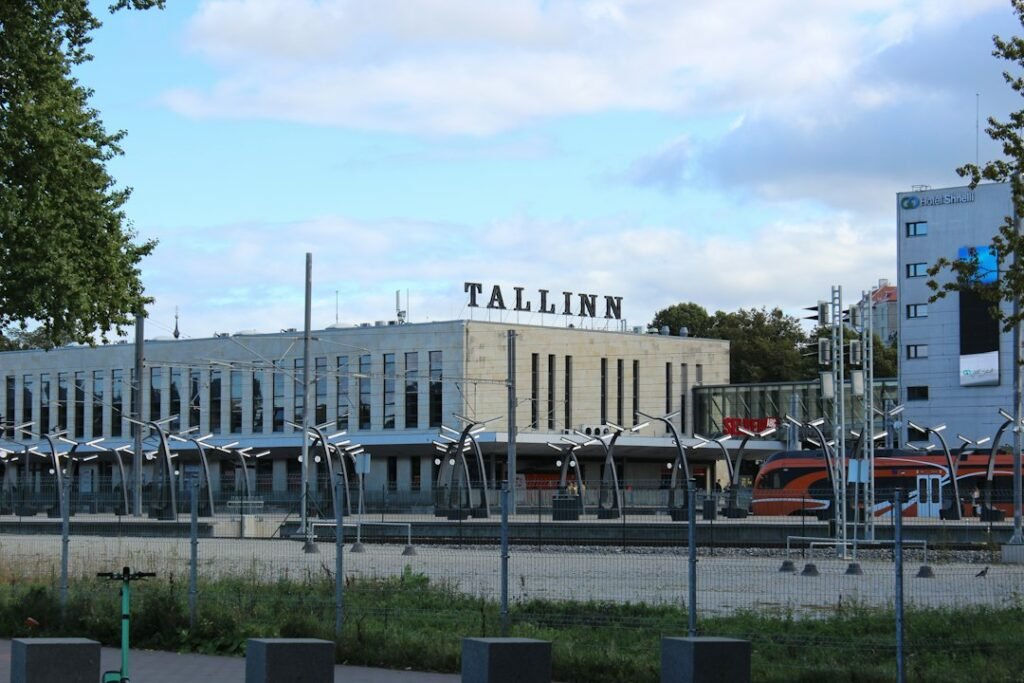
Estonia is not the cheapest study destination in Europe across every subject, but it can offer strong value for international students who want English-taught programmes, a highly digital academic environment and relatively manageable living costs. The key is to compare the exact programme, because tuition varies sharply by field, institution and whether you are an EU/EEA or non-EU student.
Current European Education Area guidance places bachelor’s and master’s tuition broadly between about €1,500 and €15,000 per year. That range is too wide to use on its own, so Estonia is best researched through the official Study in Estonia programme database, where current programme-level fees are published.
This guide explains where Estonia can be genuinely affordable, which universities and programmes are worth comparing, how EU and non-EU fees can differ, what current living costs look like, and how to decide whether an Estonian degree is affordable from enrolment to graduation.
How much does university cost in Estonia?
According to current European Education Area guidance, bachelor’s and master’s programmes in Estonia generally range from about €1,500 to €15,000 per year, depending on the institution and programme.
The national range is broad because Estonia includes lower-cost arts and humanities options, mid-range business and social-science programmes, and more expensive technology, specialist and private programmes.
Use Study in Estonia for programme-level pricing
The official Study in Estonia portal is maintained by Estonia’s Education and Youth Board. It lists more than 150 degree programmes taught fully in English and provides programme-level tuition information.
For affordability, this database is more useful than a national average because you can compare exact fees by subject and university.
Current master’s examples show how wide the market is
The official Study in Estonia programme database currently shows examples such as:
- Contemporary Art at the Estonian Academy of Arts: around €2,900/year for non-EU students;
- Estonian Studies at Tallinn University: around €3,800/year;
- Technology Governance and Sustainability at Tallinn University of Technology: around €3,800/year;
- International Relations at Tallinn University: around €4,600/year;
- International Relations and Regional Studies at the University of Tartu: around €4,800/year for non-EU students;
- International Business in the Digital Era at Tallinn University of Technology: around €5,000/year;
- Computer Science at the University of Tartu: around €7,200/year for non-EU students;
- Cybersecurity at Tallinn University of Technology: around €7,000/year for non-EU students.
These figures show why Estonia should not be described simply as “cheap.” Some programmes are moderate, while others are closer to Western European tuition levels.
EU/EEA students can pay much less in some programmes
A notable feature of Estonia is that some universities charge different rates based on student status. The current Study in Estonia database shows several University of Tartu and TalTech programmes where EU/EEA students pay no tuition while non-EU students pay several thousand euros per year.
That means the same programme can be highly affordable for one applicant and relatively expensive for another.
Doctoral study is a separate affordability category
The official Study in Estonia portal states that doctoral studies in Estonia are without tuition fee. Many PhD positions are also structured around research activity and can include financial support.
PhD applicants should therefore assess Estonia separately from bachelor’s and master’s study.
More than 150 programmes are fully taught in English
Estonia’s official national portal currently states that more than 150 degree programmes are fully taught in English. That is a strong advantage for students who want to study in Europe without first learning the local language to an academic level.
Major universities to research
- University of Tartu;
- Tallinn University of Technology (TalTech);
- Tallinn University;
- Estonian Academy of Arts;
- Estonian University of Life Sciences;
- Estonian Academy of Music and Theatre;
- Estonian Entrepreneurship University of Applied Sciences;
- Estonian Aviation Academy.
University of Tartu
The University of Tartu offers a large range of international programmes and is especially strong in computer science, natural sciences, social sciences and humanities.
For non-EU students, many current English-taught master’s programmes sit around €4,800–€7,200 per year. For eligible EU/EEA students, several programmes are free.
Tallinn University of Technology
TalTech is particularly relevant for engineering, IT, cybersecurity, e-governance and technology management. Current official tuition for non-EU students often sits around €5,000–€7,000 depending on the programme.
Tallinn University
Tallinn University offers many English-taught programmes in communication, education, social sciences, digital media and humanities. Current master’s fees often sit in the €3,800–€6,000 range.
Estonian Academy of Arts
The Academy of Arts can offer comparatively affordable options in art and design. Current programme examples include some master’s fees around €2,900–€4,000 for non-EU students.
Tartu versus Tallinn
Tallinn has the larger labour market, technology sector and capital-city infrastructure, but housing can be more expensive. Tartu is a major university city with a strong student identity and can offer a different cost balance.
Living costs in Estonia
Current European Education Area guidance estimates typical student living costs at about €300–€500 per month, depending on location and lifestyle.
That figure includes accommodation, food, transport and leisure, but students should treat it as a general guide rather than a guaranteed monthly budget.
Housing can move the budget significantly
Dormitory accommodation can reduce costs. Private rent in Tallinn can be much higher than the national minimum. Ask the university about student housing before choosing the capital by default.
Build a realistic annual budget
Suppose a non-EU student pays €4,800 tuition and spends €500 per month. Basic tuition plus living costs are already around €10,800 per year before travel, insurance, residence paperwork and deposits.
Estonia uses the euro
Because Estonia uses the euro, tuition and living-cost comparison is straightforward for students budgeting in euros. Students earning in another currency should still keep an exchange-rate buffer.
Application process
Study in Estonia describes a direct online application process. Applicants generally:
- choose a programme;
- review the admission requirements;
- submit the application online through the university-linked system.
Common documents include passport, diploma, academic transcript, language evidence, motivation letter and programme-specific materials.
2026 application timing
Study in Estonia’s current 2026 guidance notes that many master’s deadlines fall in March, while bachelor’s deadlines often fall in April or May. Some PhD deadlines are earlier.
International students should start early because document recognition and residence procedures take additional time.
Recognition of foreign qualifications
Foreign qualifications need to be accepted by the higher-education institution. Estonia’s ENIC/NARIC framework supports recognition, and international English-taught programmes offered by participating institutions must have full accreditation under the national good-practice framework.
Visa and residence
Non-EU/EEA students generally need a long-stay D visa or temporary residence permit for study before arrival. EU/EEA students do not need a visa but must register residence if staying longer than three months.
Proof of funds
Non-EU students need to demonstrate sufficient financial means. Use StepOut’s Proof of Funds Guide alongside current Estonian migration guidance.
Health insurance
Health insurance is part of the immigration and student-planning process. Include it in the pre-arrival budget rather than assuming it will be covered automatically.
Scholarships
Estonia offers national, institutional and programme-specific scholarships. Some support is for degree study, while other grants target short courses, summer schools or research.
Do not confuse short-course scholarships with full-degree funding
For example, current national summer-school scholarships can reimburse course fees and accommodation, but they are not full-degree scholarships. Check the exact funding type before counting it in a degree budget.
Part-time work
International students can work under the conditions attached to their residence and study status. Estonia’s technology sector can create opportunities, but part-time income should remain supplementary.
Technology and computer science can be more expensive
Estonia’s reputation in digital government and technology attracts many IT applicants. Current official tuition for computer science and cybersecurity can be around €7,000–€7,200 for non-EU students, so tech is not automatically a low-cost field.
Humanities and arts can be cheaper
Current official examples in arts and humanities can sit below €4,000 per year for non-EU students. This can make Estonia more competitive for those fields.
One-year master’s programmes can change the total cost
A higher annual tuition can still produce a reasonable full-programme cost if the degree lasts one year rather than two. Always compare programme duration.
Check whether the fee is different for EU and non-EU students
The same University of Tartu or TalTech programme can be free for EU/EEA students and several thousand euros for non-EU students. Verify your fee category before accepting.
Ask whether tuition is fixed
Confirm whether the tuition published for your intake is guaranteed for the full programme or can change later.
Payment schedule
Ask whether tuition is due by semester or year and whether instalments are allowed.
Visa-refusal refund rules
If tuition must be paid before the residence decision, confirm the refund policy in writing.
Estonia versus Lithuania
Lithuania often has lower bachelor’s tuition and a very large programme database. Estonia can be stronger for digital fields and offers tuition-free doctoral study.
Estonia versus Latvia
Latvia can be cheaper in engineering and computer science, while Estonia has a stronger international profile in technology and digital governance.
Estonia versus Finland
Finland often has higher non-EU tuition, though scholarship structures differ. Estonia can provide a lower-cost Nordic/Baltic alternative.
How to identify a genuinely affordable Estonian option
- Choose the subject and degree level.
- Search Study in Estonia.
- Check your EU/non-EU fee category.
- Compare programme duration.
- Compare Tallinn and Tartu housing.
- Check scholarship eligibility.
- Calculate total programme cost.
- Prepare recognition documents.
- Prepare visa and funds.
- Read refund rules before paying.
Who should seriously consider Estonia?
Estonia can be a strong fit for students interested in technology, digital governance, social sciences, arts and English-taught master’s study, especially where a programme offers favourable EU/EEA pricing or a shorter duration.
Who should be cautious?
- non-EU students assuming Estonia is uniformly low-cost;
- tech applicants using general national averages;
- students choosing Tallinn without checking housing;
- students relying on part-time work;
- students ignoring EU/non-EU fee differences.
Estonia application checklist
- Choose the programme.
- Check current tuition.
- Confirm EU/non-EU fee status.
- Check duration.
- Prepare English and academic documents.
- Research housing.
- Check scholarships.
- Calculate full cost.
- Prepare residence evidence.
- Keep tuition/refund terms in writing.
Compare programme type, not just university name
Estonia’s universities can price different faculties very differently. A humanities master’s at one institution may cost less than €4,000 while a technology programme at the same university can cost closer to €7,000. Build your shortlist from the programme level upward rather than assuming one university is “cheap” or “expensive.”
EU/EEA pricing can make Estonia a very different market
For some University of Tartu and TalTech programmes, EU/EEA students currently pay no tuition while non-EU students pay several thousand euros. This difference is large enough that nationality and residence status should be checked before comparing Estonia with another country.
Use one-year master’s carefully
A one-year programme costing €7,000 can still be cheaper overall than a two-year programme costing €4,500 per year once living costs are added. Duration is especially important in Estonia because some specialist master’s are shorter.
Technology reputation does not always equal low tuition
Estonia is famous for digital government, cybersecurity and software, but those programmes are often among the higher-priced options for non-EU students. A strong tech brand should be evaluated against the actual fee and career value.
Tallinn versus Tartu
Tallinn offers the biggest labour market, more international companies and the capital-city environment. Tartu is a university-focused city with a large student population and can offer a different housing balance. Compare dormitory and private-rent availability before deciding.
Dormitory housing can materially improve affordability
University accommodation can cost less than private rent, especially in Tallinn. Ask whether first-year international students have priority, whether the room is guaranteed for the full academic year, and what happens after the first year.
Check whether the tuition quoted includes all compulsory study costs
Technology, design and laboratory programmes can require software, materials, fieldwork or equipment. Ask the faculty about mandatory non-tuition costs so the programme does not become more expensive later.
Prepare for the first-month cash requirement
Your first month can include rent deposit, first rent, insurance, residence fees, transport, phone setup and household basics. Keep a separate arrival reserve outside the normal monthly budget.
Do not assume the €300 minimum is realistic in Tallinn
The national living-cost range starts low, but a private room in Tallinn can push spending higher. Use the minimum only as a lower-bound signal, not as a guaranteed city budget.
Check the scholarship type before counting it
Estonia has degree scholarships, university awards and short-course grants. A summer-school scholarship does not reduce the cost of a full bachelor’s or master’s. Match the funding programme to the degree you are actually applying for.
Application timing matters for non-EU students
Current 2026 guidance shows many master’s deadlines in March and bachelor’s deadlines in April or May. Non-EU students should apply early enough for document recognition, visa/residence and housing.
Keep a later-year tuition and housing plan
If the programme lasts two or three years, check whether tuition is fixed and whether dormitory access continues. Affordability should be tested for the entire degree, not only year one.
Check whether the programme is professionally recognised
For engineering, health, architecture and other regulated fields, confirm that the qualification supports the professional route you want outside Estonia.
Do not rely on part-time work to close a large gap
Estonia’s labour market can be attractive, particularly in technology, but jobs are not guaranteed. Use employment as supplementary income rather than the reason the tuition is affordable.
What to ask before accepting an Estonian offer
- What exact tuition applies to my nationality?
- Is the fee fixed for the programme?
- What compulsory additional study costs apply?
- Is dormitory housing available?
- Can tuition be paid in instalments?
- What happens after visa/residence refusal?
- Which scholarships are open to my nationality?
- Does the programme have full accreditation?
One final Estonia-specific affordability check
Before accepting, compare the exact programme fee, its duration and the city housing cost under a conservative no-scholarship scenario. If the degree still works financially, Estonia is a much safer choice.
Keep the admissions calendar visible
Because many 2026 master’s deadlines fall in March and bachelor’s deadlines in April or May, document recognition, scholarship applications and residence preparation should begin well before the final application week.
Final Estonia check
Confirm the current intake fee and dormitory deadline before submitting payment.
Frequently asked questions
How much is university in Estonia?
Current national guidance gives a broad range of about €1,500–€15,000 per year for bachelor’s and master’s study.
Are there English-taught programmes?
Yes. Study in Estonia currently lists more than 150 degree programmes fully taught in English.
Are PhDs tuition-free?
Yes. The official Study in Estonia portal states that doctoral studies are without tuition fee.
How much does living in Estonia cost?
Current guidance estimates about €300–€500 per month, though Tallinn can be more expensive.
Do EU students pay less?
In some programmes, yes. Current programme listings show several cases where EU/EEA students pay no tuition while non-EU students pay.
Use Estonia as a subject-and-city decision
Estonia is especially relevant to technology-focused students, so compare this country guide with Affordable Computer Science and IT Degrees in Europe. Also use the English-Taught Universities, Affordable Master’s Degrees and Affordable Student Cities guides to compare language, postgraduate choice and Tallinn-versus-other-city cost. Business applicants can use the Business Degrees in Europe comparison.
Before paying tuition, cross-check the current European Education Area profile for studying in Estonia for current tuition, living-cost and residence guidance.
Final decision
Estonia can be affordable when programme choice, fee category and city align. It is especially interesting for English-taught study and tuition-free doctoral education, but non-EU students should not assume every programme is cheap.
Use the official Study in Estonia database and compare the result through StepOut’s Affordable Universities in Europe pillar.